


India At 77: Endurance, Achievement, And The Tests Ahead by Brig Vinod Bhatia (Retd)

When India adopted its Constitution on 26 January 1950, doubts were raised about its survival. A country emerging from colonial rule with widespread poverty, low literacy, deep social divisions, and the trauma of Partition appeared an unlikely candidate for sustained democracy. Influential political and economic theories of the time argued that democratic governance required prior economic development and social homogeneity—conditions India clearly lacked.
Seventy-seven years later, India stands as a constitutional democracy governing over 1.4 billion people, having conducted 19 general elections with peaceful transfers of power. That outcome alone contradicts the assumptions under which the Indian republic was born.
Why the Republic Was Expected to Fail
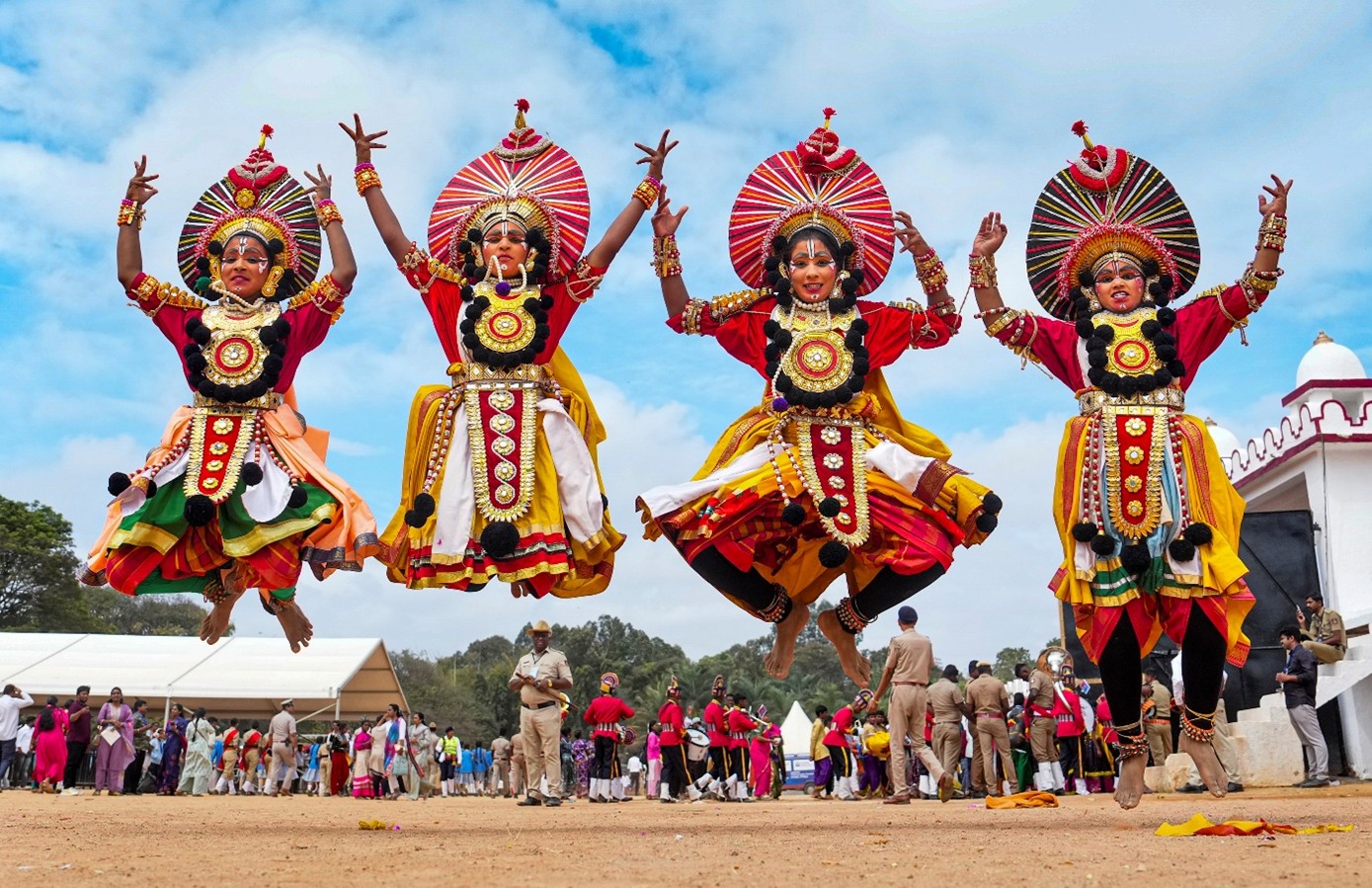
School students jump to pose for pictures during the 77th Republic Day Parade, at Manekshaw Parade ground, in Bengaluru, Karnataka, Monday, Jan. 26, 2026 (PTI)
The scepticism surrounding India’s future was rooted in comparative experience. Across Asia, Africa, and Latin America, many post-colonial states succumbed to military coups, authoritarian rule, or internal fragmentation within a generation of independence. Diversity was viewed as a liability. Poverty was seen as incompatible with democratic stability.
India chose a different path. It did not postpone democracy. It did not centralise power through military control. It did not suppress plural identities to manufacture unity. The expectation, however, remained that these choices would eventually prove unsustainable.
They did not.
Holding Together a Diverse Civilisation-State
India’s first and most fundamental achievement was political survival. The country inherited extraordinary internal diversity—linguistic, religious, regional, and cultural. Instead of coercive homogenisation, the Indian state adopted accommodation. The linguistic reorganisation of states in the 1950s defused tensions that could have led to civil conflict. Federalism evolved through negotiation rather than force.
Despite facing insurgencies and separatist pressures in different regions over the decades, India did not abandon its constitutional framework. Today, 28 states and 8 union territories function within a single political system. This unity was not imposed; it was negotiated and sustained over time.
Democracy Without Interruption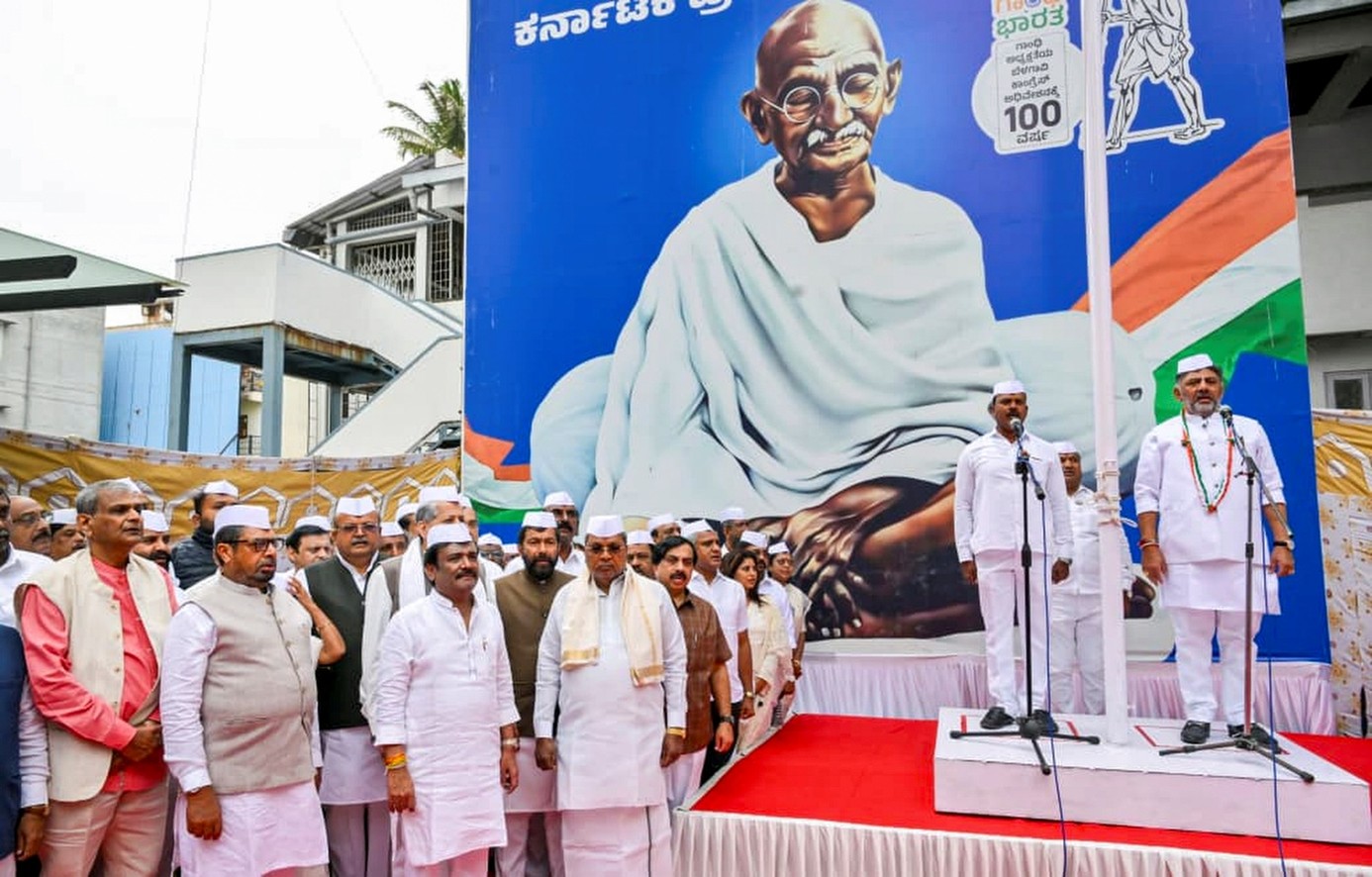
Karnataka Chief Minister Siddaramaiah, centre, with Deputy CM DK Shivakumar, right, during the 77th Republic Day celebrations, at Congress office, in Bengaluru, Karnataka, Monday, Jan. 26, 2026. (PTI)
India’s democratic record is unmatched in scale. The 2024 general election involved more than 1000 million eligible voters. Polling percentage of 65.66 is comparable to established democracies. The Election Commission of India has the distinction of managing the largest electoral exercise in the world with administrative credibility built over decades.
Equally important is the absence of military intervention in politics. Despite wars, insurgencies, and prolonged internal security challenges, civilian supremacy has remained intact. In a global context where many states experienced coups under similar pressures, this restraint preserved democratic legitimacy and institutional continuity.
Economic Correction Rather Than Collapse

Super Hercules aircraft flanked by two C-295 aircrafts perform a flypast in ‘Arjan’ formation over the Kartavya Path during the 77th Republic Day Parade, in New Delhi, Monday, Jan. 26, 2026. (PTI)
At independence, India’s economic position was weak. Growth in the early decades was slow, averaging around 3–3.5 percent annually between 1950 and 1980. Poverty was widespread, and state capacity was limited. Yet the republic demonstrated the ability to correct course without abandoning its political framework. Economic reforms after 1991 marked a shift, not a rupture. Since then, India’s economy has expanded more than eightfold in nominal terms. According to the World Bank, more than 415 million Indians exited multidimensional poverty between 2005–06 and 2019–21, with further reductions recorded up to 2022–23 as deprivations in health, education, and living standards continued to decline.
India is now the fourth-largest economy in the world by nominal GDP and the third-largest by purchasing power parity (PPP). Digital public infrastructure has expanded rapidly and is recognised for improving inclusion and governance efficiency by enabling large-scale service delivery and transparency across sectors.
Security Without Militarisation
India’s security environment has remained challenging. Cross-border terrorism, unresolved borders, and internal insurgencies imposed sustained pressure on the state. Many countries facing similar threats resorted to prolonged emergency rule or military governance.
India did not. Force was employed when necessary, but it remained subordinate to civilian authority. Political processes continued alongside security operations. This restraint mattered. International economic studies consistently show that repeated coups and emergency regimes impose long-term growth and governance penalties. India avoided that trap.
Strategic Autonomy as a Habit
India’s foreign policy has often been criticised as cautious. In practice, it reflects a long-standing refusal to outsource national decision-making. During the Cold War, India avoided alliance entanglements. In the post-Cold War era, it diversified partnerships.
Today, India maintains strategic relations across competing power centres without becoming a satellite of any. In an increasingly polarised global order, this autonomy enhances India’s relevance and resilience.
From Aid Recipient to Global Contributor
In its early decades, India depended heavily on external assistance. That position has reversed. India is now a provider of humanitarian relief, development assistance, and public goods. During the COVID-19 pandemic, Indian vaccines and medicines reached more than 90 countries.
India increasingly contributes to global debates on climate finance, digital public infrastructure, and South–South cooperation. This transition reflects accumulated institutional credibility rather than sudden ambition.
Acknowledging the Unfinished Business
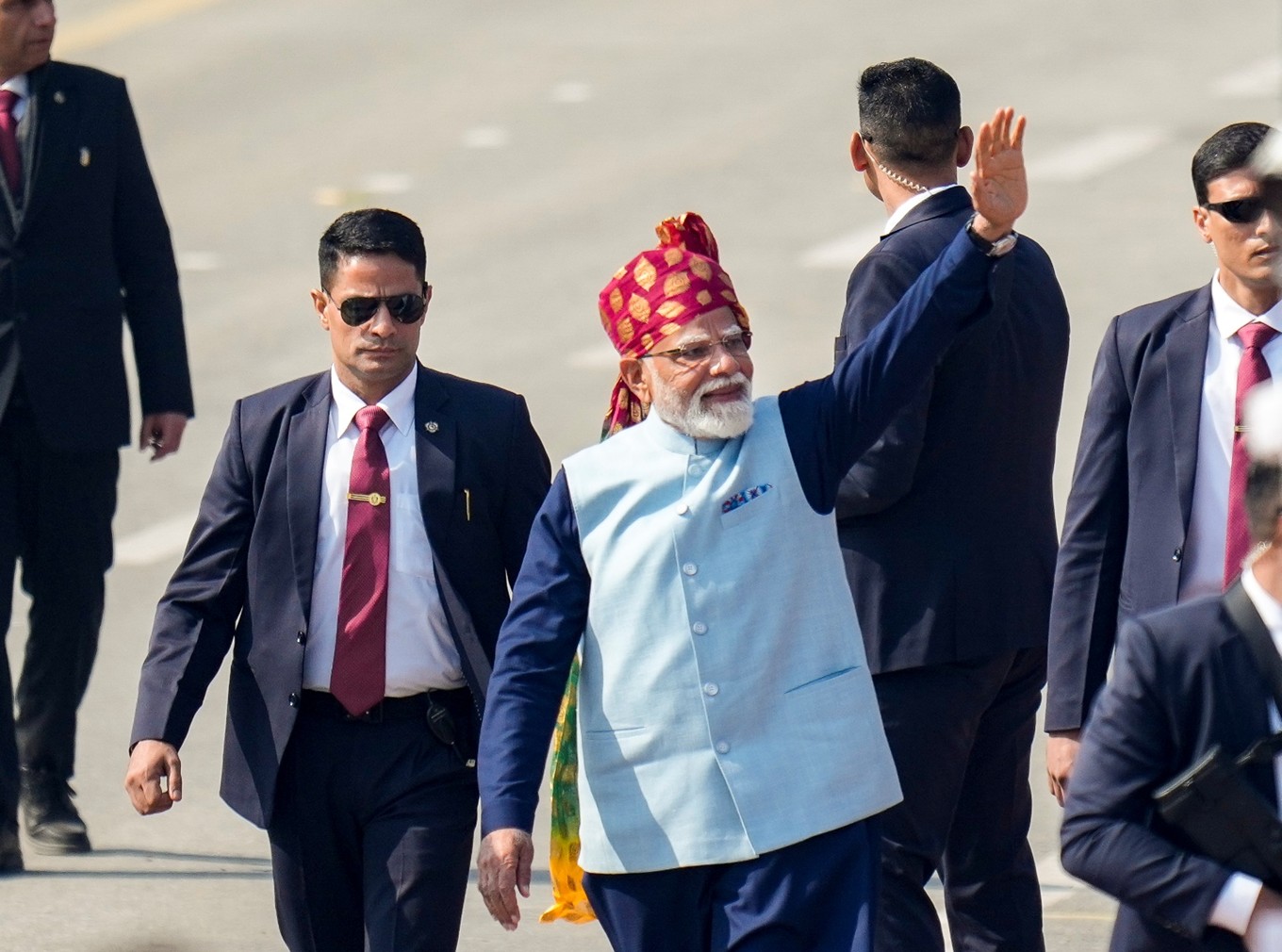
Prime Minister Narendra Modi greets the gathering after the 77th Republic Day Parade, at Kartavya Path, in New Delhi, Monday, Jan. 26, 2026. (PTI)
India’s achievements do not negate its challenges. Several unresolved issues will shape the republic’s future trajectory.
Fissiparous tendencies persist. Identity-based politics, regional assertions, and religious polarisation continue to test social cohesion. Digital platforms have amplified divisive narratives faster than institutions can adapt. Unity achieved through accommodation now requires active reinforcement through dialogue and inclusion.
Corruption remains a concern. While digitisation has reduced petty corruption, perceptions of elite-level corruption continue to affect public trust. Institutional credibility depends not only on efficiency, but also on accountability.
Social inequality has widened even as poverty has declined. Uneven access to quality education, employment, and regional opportunity risks deepening social divides. Growth without inclusion can undermine democratic legitimacy over time.
Externally, India faces a more demanding geopolitical environment. Border tensions, instability in the neighbourhood, and intensifying great-power competition place sustained pressure on Indian strategy. Strategic autonomy today requires far greater economic, technological, and military capacity than in earlier decades.
What This Means for India’s Security
India’s seventy-seven-year record complicates adversarial calculations. A state that absorbs shocks without regime collapse is harder to destabilise. Institutional continuity, constitutional legitimacy, and social resilience act as force multipliers.
Military capability matters, but it rests on a deeper foundation of political stability and public trust. For adversaries, India’s endurance is frustrating. For partners, it is reassuring.
The Way Ahead: Reform Without Rupture
India’s central challenge is no longer survival, but consolidation. Institutions must be strengthened without weakening democratic balance. Economic policy must prioritise employment, skills, and regional equity. Social cohesion requires renewed emphasis on constitutional values and civic responsibility.
Strategic autonomy must be backed by technological self-reliance and economic resilience, not rhetoric alone. Above all, India must retain its greatest advantage, the ability to correct course without abandoning the republic.
Republic Day Beyond Ceremony
Republic Day is more than spectacle. It commemorates a set of choices made under uncertainty and defended over generations. India did not succeed because it avoided mistakes. It succeeded because it corrected them within a constitutional framework.
As India moves beyond its seventy-seventh year as a republic, its task is no longer to prove that it can endure. It must now demonstrate that it can govern fairly, grow inclusively, and act strategically in an unforgiving world.
That challenge will define the next chapter of the Indian republic.
Brig Rakesh Bhatia (Retd)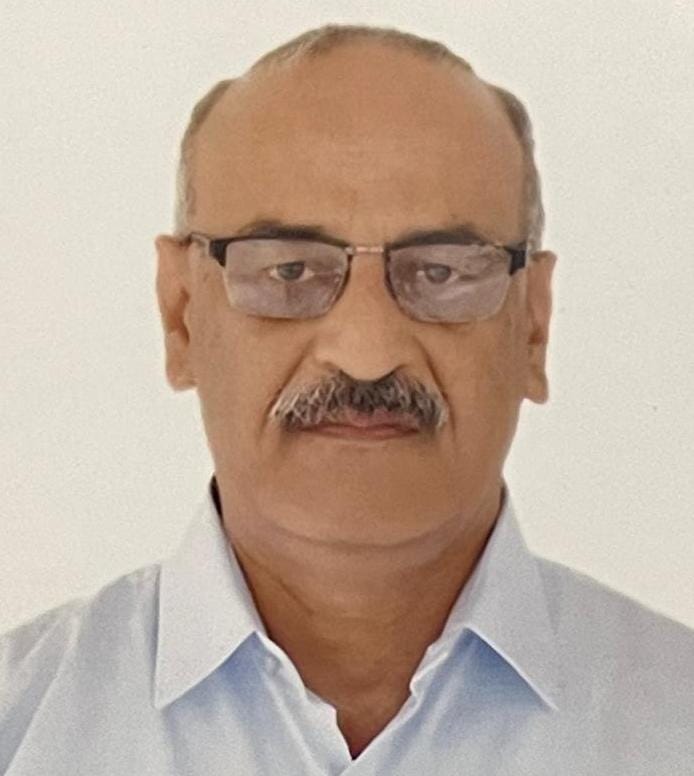
Brig Rakesh Bhatia is a veteran of the Indian Army with over three decades of service, has served along all borders. He is an intelligence analyst who writes on regional security and strategy. he is Distiguished Fellow of STRIVE India, (Veterans' Think Tank )
Disclaimer: The opinions expressed in this article are those of the writer. The facts and opinion. The views expressed are those of the author and do not necessarily represent the views of the organisation that he belongs to or of the STRIVE India.